
Many people assume that the Site Management Safety Training Scheme (SMSTS) is only relevant for large construction firms running multi-million-pound projects. It’s an easy conclusion to reach. After all, if you manage a small team working on home extensions, refurbishments or local commercial projects, formal management training might seem unnecessary.
However, this is one of the most common misconceptions in the construction industry.
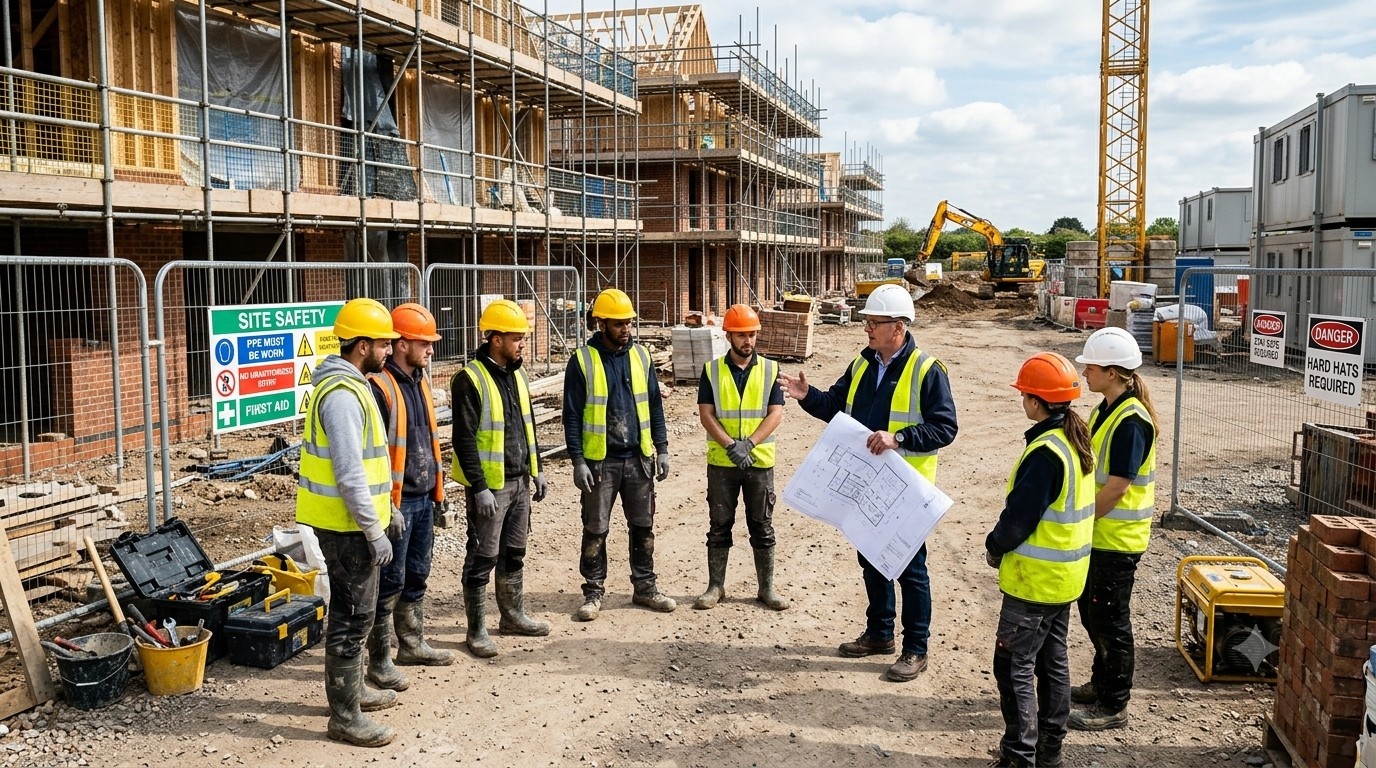
The reality is that construction businesses of every size face the same legal responsibilities when it comes to managing health and safety. Whether you’re overseeing a £50,000 extension or a £5 million commercial development, you’re still responsible for planning work safely, protecting workers and members of the public, and complying with UK legislation.
SMSTS isn’t about the size of your company—it’s about the responsibilities of the person managing the site.
In this article, we’ll explain why this myth continues to exist, what an SMSTS course actually teaches, and why smaller construction companies can benefit just as much as larger organisations.
Why Do People Think SMSTS Is Only for Large Construction Companies?
The misconception usually comes from how people view construction management.
Many smaller contractors believe they don’t need the same level of training because their projects are less complex. While it’s true that larger sites often involve more workers and longer programmes, the core responsibilities of managing health and safety remain the same.
Let’s look at some of the most common reasons this myth persists.
“We’re Only a Small Team”
A business employing five or six people may believe communication is easier because everyone knows each other.
Unfortunately, accidents don’t happen because a company is large—they happen when risks aren’t properly managed.
Even a small domestic project can involve:
- Working at height
- Power tools
- Temporary electrical supplies
- Manual handling
- Excavations
- Multiple subcontractors working together
These activities require effective planning regardless of how many people are on site.
“Our Site Manager Has Years of Experience”
Experience is one of the construction industry’s greatest strengths.
However, experience doesn’t automatically mean someone is familiar with current legislation, updated guidance or modern best practice.
Construction regulations continue to evolve, and site managers are expected to understand their responsibilities under current health and safety legislation.
An experienced manager who combines practical knowledge with recognised training is far better equipped to deal with today’s challenges.
“We Don’t Work on Large Projects”
Many contractors only undertake:
- House extensions
- Loft conversions
- Roofing projects
- Renovations
- Groundworks
- Small commercial refurbishments
These projects may be smaller in value, but they still expose workers to serious hazards.
Falls from height, moving vehicles, manual handling injuries and electrical incidents don’t become less dangerous simply because the project is smaller.
What Does an SMSTS Course Actually Teach?
One reason this myth continues is that many people assume SMSTS is simply another health and safety qualification.
In reality, the course focuses on developing the knowledge and confidence needed to manage construction sites effectively.
Rather than teaching someone how to carry out individual construction tasks, it teaches them how to manage people, risks and legal responsibilities.
If you’re considering an SMSTS course, you’ll learn how to:
- Plan work safely before it begins
- Carry out effective risk assessments
- Understand legal duties under UK construction legislation
- Improve communication between workers and subcontractors
- Conduct site inspections
- Manage occupational health risks
- Promote a positive safety culture across the site

Small Construction Companies Face the Same Responsibilities
One of the biggest misunderstandings is that legal responsibilities increase with company size.
They don’t.
Every construction employer has a duty to provide a safe working environment for employees, contractors and visitors.
A small contractor may only have one active site, but they’re still responsible for:
- Identifying hazards
- Controlling risks
- Monitoring safe working practices
- Ensuring workers understand site procedures
- Preventing accidents wherever possible
The law doesn’t distinguish between a company employing five workers and one employing five hundred when basic health and safety duties apply.

Better Site Management Means Better Business
Many business owners see SMSTS purely as a compliance requirement.
In reality, effective site management has benefits that go well beyond meeting legal obligations. Investing in recognised training helps managers make informed decisions, improve communication on site and create safer working environments.
As construction professionals progress in their careers, many also choose to gain NVQ qualifications to demonstrate their competence and build on the practical skills they’ve developed on site.
Better Planning
Projects run more smoothly when work is properly organised.
Clear planning reduces confusion, minimises delays and helps different trades work together more efficiently.
Fewer Costly Mistakes
Poor management often leads to:
- Rework
- Project delays
- Damaged materials
- Near misses
- Workplace accidents
Many of these issues can be reduced through better planning and communication.
Stronger Communication
Site managers act as the link between directors, clients, subcontractors and operatives.
Good communication reduces misunderstandings, improves productivity and creates a more organised working environment.
Greater Workforce Confidence
Employees are more likely to follow safe working practices when they have confidence in the person managing the project.
A well-trained manager creates consistency and sets clear expectations across the site.

Can SMSTS Help You Win More Work?
Winning contracts isn’t always about submitting the lowest quote.
Many clients now assess contractors on professionalism, competence and health and safety standards before awarding work.
Having recognised management training demonstrates that your business invests in developing its workforce and takes site safety seriously. It also shows that your site managers understand their responsibilities and are committed to maintaining high standards on site.
Many clients also look for evidence that workers hold the appropriate CSCS cards alongside recognised qualifications and training, helping to demonstrate a competent and site-ready workforce.
This can strengthen your reputation when working with:
- Principal contractors
- Housing associations
- Commercial developers
- Local authorities
- Private clients
While SMSTS doesn’t guarantee contracts, it can help build confidence in your business and support your reputation as a professional contractor.
Construction Training Is About More Than Compliance
Perhaps the biggest misconception is that construction training only exists to satisfy legal requirements.
In reality, businesses that invest in training often experience wider operational benefits.
Well-trained site managers are generally better at:
- Identifying risks before they become problems
- Managing subcontractors effectively
- Improving productivity
- Reducing downtime
- Supporting a positive safety culture
- Delivering projects more efficiently
Training should be viewed as an investment in people and business performance—not simply a compliance exercise.
Who Should Consider Taking an SMSTS Course?
SMSTS is suitable for anyone responsible for planning or managing construction work.
This may include:
- Site Managers
- Project Managers
- Contracts Managers
- Construction Managers
- Working Foremen
- Business Owners overseeing construction projects
The deciding factor isn’t the size of your business—it’s the level of responsibility you have for managing construction work safely.
Final Thoughts
The idea that SMSTS is only for large construction companies simply doesn’t reflect today’s construction industry.
Every construction project, regardless of size, involves risks that need to be managed effectively. Smaller businesses face the same expectations around planning, communication and safety as larger contractors, even if their projects are less complex.
Investing in recognised management training isn’t just about staying compliant. It helps improve site organisation, strengthen client confidence, reduce costly mistakes and support long-term business growth.
Whether you’re managing a team of five or fifty, developing your knowledge through an SMSTS course can help you become a more confident and effective site manager.
Frequently Asked Questions
Is SMSTS only for large construction companies?
No. SMSTS is designed for anyone responsible for managing construction sites. Businesses of all sizes can benefit from the knowledge and practical skills the course provides.
Is SMSTS a legal requirement?
The qualification itself isn’t a legal requirement. However, employers have legal duties to manage construction work safely, and SMSTS helps site managers understand those responsibilities.
Can sole traders take an SMSTS course?
Yes. Sole traders who manage projects or supervise others can benefit from SMSTS, particularly if they regularly act as the person responsible for site safety.
What’s the difference between SMSTS and SSSTS?
SMSTS is aimed at site managers and those with overall responsibility for managing construction sites. An SSSTS course is generally designed for supervisors who oversee teams but don’t have full site management responsibilities.