

If you’re already working in construction and wondering whether you need to attend college to earn an NVQ, the answer is simple—no, you don’t.
Many experienced tradespeople across the UK achieve their NVQ without ever stepping into a classroom. Whether you’re a bricklayer, carpenter, painter and decorator, dryliner, groundworker, site supervisor or site manager, an NVQ is designed to recognise the skills you already use every day on site.
Unlike traditional college courses, an NVQ focuses on proving your competence in a real working environment. Instead of attending weekly classes or sitting written exams, you’ll complete a workplace assessment and build a portfolio that demonstrates your ability to carry out your job safely and professionally.
For many construction workers, this route is faster, more flexible and far more practical than returning to education. It also allows you to continue earning while working towards a nationally recognised qualification that can support career progression and, in many cases, help you become eligible for the appropriate CSCS Card.
In this guide, we’ll explain how getting an NVQ without going to college works, who it’s suitable for, and why it’s become the preferred route for thousands of experienced construction professionals.
What Is an NVQ?
An NVQ (National Vocational Qualification) is a work-based qualification that assesses your ability to perform your job to nationally recognised industry standards.
Unlike classroom-based learning, an NVQ doesn’t focus on theory alone. Instead, it measures the practical skills, knowledge and experience you’ve gained while working in your trade.
This makes an NVQ ideal for experienced workers who already carry out their role confidently but want a recognised qualification to support career progression, improve employability or meet industry requirements.
Most construction NVQs are completed through workplace assessment. An assessor reviews evidence of your work and confirms that you meet the required standards for your occupation. In most cases, there are no traditional exams or weekly college classes to attend.
Can You Really Get an NVQ Without Going to College?
Yes.
If you already have experience in your trade, attending college is usually unnecessary.
The purpose of an NVQ is to assess the skills you already have rather than teach you from the beginning. Instead of learning in a classroom, you’ll demonstrate your competence by providing evidence from your everyday work.
This approach is often referred to as an assessment-only NVQ, as your existing experience is assessed against nationally recognised occupational standards.
It’s particularly popular within the construction industry because it enables workers to gain formal qualifications without taking time away from work.
Whether you’re self-employed, employed by a contractor or working as a subcontractor, you can usually complete your NVQ while continuing with your normal job.
How Does an NVQ Without College Work?
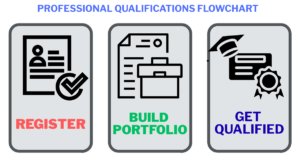
The process is straightforward and designed to fit around your work schedule.
1. Choose the Right NVQ
The first step is selecting the qualification that matches your current role and level of responsibility.
Construction offers NVQs across a wide range of occupations, including:
- Bricklaying
- Site Carpentry
- Painting and Decorating
- Dry Lining
- Groundworks
- Roofing
- Plastering
- Site Supervision
- Construction Site Management
Choosing the correct qualification ensures that you’re assessed against the standards that apply to your day-to-day work.
2. Register with an Approved Training Provider
Once you’ve enrolled, you’ll be assigned a qualified assessor who will guide you through the assessment process.
Your assessor will explain exactly what evidence is required, answer any questions and support you throughout your qualification.
Working with an experienced training provider also ensures your assessment is carried out efficiently, helping you complete your NVQ as quickly as your evidence allows.
3. Build Your Workplace Portfolio
Instead of completing coursework or written exams, you’ll collect evidence that demonstrates your competence on site.
This evidence may include:
- Photographs of completed work
- Videos showing you carrying out practical tasks
- Risk assessments
- Method statements
- Job sheets
- Witness testimonies from supervisors
- Professional discussions with your assessor
- Site documentation relevant to your role
Most providers now allow evidence to be uploaded digitally, making the entire process quicker and more convenient.
By the time you’ve completed your portfolio, you’ll have demonstrated that you consistently meet the required occupational standards for your trade.
4. Complete Your Assessment
Once you’ve gathered enough evidence, your assessor will review your portfolio to ensure it meets the national occupational standards for your chosen NVQ.
Depending on your qualification, the assessment may include:
- A workplace observation, either in person or through digital evidence
- Professional discussions about your role and responsibilities
- Questions to confirm your knowledge of health and safety, industry regulations and best practices
- Feedback on any additional evidence required
The assessment process is designed to reflect your everyday work rather than test you in a classroom environment. If you’re already carrying out your role competently, you’ll simply be demonstrating the skills you use every day.
5. Receive Your NVQ Qualification
Once all assessment criteria have been successfully completed, you’ll receive your nationally recognised NVQ qualification.
Achieving an NVQ can open doors to new opportunities, increase your credibility with employers and clients, and support your progression into higher-level roles within the construction industry.
For many workers, it’s also an important step towards obtaining the appropriate CSCS Card for their occupation.
Benefits of Getting an NVQ Without Going to College
Completing an NVQ through workplace assessment offers several advantages over traditional classroom learning.
Continue Working While You Qualify
One of the biggest benefits is that you don’t need to take time away from work.
You can continue earning a full income while completing your qualification, making it an ideal option for busy professionals and self-employed tradespeople.
No Classroom Attendance
Many experienced construction workers already have the practical knowledge needed to meet industry standards.
Instead of repeating skills you already use every day, an NVQ allows you to prove your competence through real workplace evidence.
Flexible Around Your Schedule
Modern assessment methods make it easier than ever to complete an NVQ.
Many training providers allow you to submit photographs, videos and documents online, while professional discussions can often be carried out remotely. This flexibility means you can complete much of the process around your existing workload.
Gain a Nationally Recognised Qualification
An NVQ is recognised by employers, contractors and organisations throughout the UK.
Holding an NVQ demonstrates that you can perform your role safely, competently and in line with current industry standards, giving employers greater confidence in your abilities.
Improve Your Career Prospects
Whether you’re aiming for promotion, tendering for larger contracts or applying for more specialist roles, having an NVQ can strengthen your professional profile.
It also provides a clear pathway towards higher-level qualifications as your career progresses.
Who Can Get an NVQ Without Going to College?
A workplace-assessed NVQ is best suited to people who already have practical experience in their trade.
You may be eligible if you are:
- Working in construction
- Self-employed
- A subcontractor
- An experienced tradesperson
- A bricklayer, carpenter, painter and decorator or dryliner
- A groundworker or roofer
- A site supervisor
- A construction site manager
If you’re completely new to the construction industry, it’s generally recommended that you gain practical experience through employment or an apprenticeship before beginning an NVQ.
Because the qualification assesses existing competence, you’ll need to be carrying out the duties associated with your chosen occupation.
Do You Need to Take Exams?
In most cases, no.
Unlike many traditional qualifications, Construction NVQs don’t usually involve written examinations.
Instead, your assessor evaluates the quality of your work through practical evidence collected during your normal working day.
This makes the qualification much more accessible for experienced workers who prefer practical assessment over classroom-based testing.
Can You Complete an NVQ Online?
Many parts of the assessment process can now be completed online, making it even more convenient for busy construction professionals.
Depending on your qualification and training provider, you may be able to:
- Upload photographs and videos of your work
- Submit documents digitally
- Attend professional discussions through video calls
- Receive assessor feedback online
- Track your progress electronically
Although much of the administration can be completed remotely, you’ll still need to demonstrate your practical competence within a real working environment, as this is a fundamental requirement of every NVQ.
NVQ Without College vs Traditional College

For experienced workers, a workplace-assessed NVQ is often the faster and more practical option.
| NVQ Without College | Traditional College Course |
| Learn while working | Attend scheduled classes |
| Practical workplace assessment | Classroom-based learning |
| Portfolio of evidence | Coursework and written exams |
| Flexible around your job | Fixed timetable |
| Ideal for experienced workers | Better suited to beginners |
If you’re already confident in your trade, an assessment-based NVQ allows you to gain formal recognition without interrupting your career.
Frequently Asked Questions
Can I really get an NVQ without attending college?
Yes. If you already have relevant experience, you can complete your NVQ through workplace assessment without attending regular college classes.
Do I need to be employed?
You’ll normally need to be actively working within the occupation you’re being assessed for, whether employed, self-employed or working as a subcontractor.
How long does it take?
Completion times vary depending on your experience, the qualification you’re undertaking and how quickly you provide evidence. Many experienced workers complete their NVQ within a few months.
Is an NVQ recognised across the UK?
Yes. NVQs are nationally recognised qualifications that are accepted by employers throughout the UK construction industry.
Can an NVQ help me get a CSCS Card?
Yes. Many construction workers complete the relevant NVQ because it’s one of the key requirements when applying for the appropriate CSCS Card for their occupation.
Final Thoughts
If you’ve delayed getting qualified because you believed college was your only option, it’s worth reconsidering.
For experienced construction workers, an NVQ is designed to recognise the skills you already use every day. Through workplace assessment, you can gain a nationally recognised qualification without attending regular classes or sitting traditional written exams.
Whether you’re a carpenter, bricklayer, painter and decorator, dryliner, groundworker, site supervisor or construction site manager, completing the right NVQ can strengthen your career prospects, demonstrate your professional competence and support your progression within the industry.
If you’re ready to take the next step, explore our Construction NVQ Courses to find the qualification that matches your trade and experience. Our team can help you choose the right route, explain the assessment process and support you from enrolment through to certification, allowing you to achieve your NVQ while continuing to do what you do best—working on site.