

Have you ever wondered why two painters with similar experience can earn vastly different amounts?
One painter is booked months in advance, works on large commercial projects and commands premium rates. Another struggles to secure consistent work and often competes on price just to win domestic jobs.
The difference isn’t always about who has the better painting skills.
In today’s construction industry, higher earnings often come down to the type of work you take on, the clients you work with and the opportunities you’re qualified to access. If you’re looking to increase your income as a painter and decorator, understanding these factors can help you move your career in the right direction.
1. Commercial Painting Projects Often Pay More Than Domestic Work
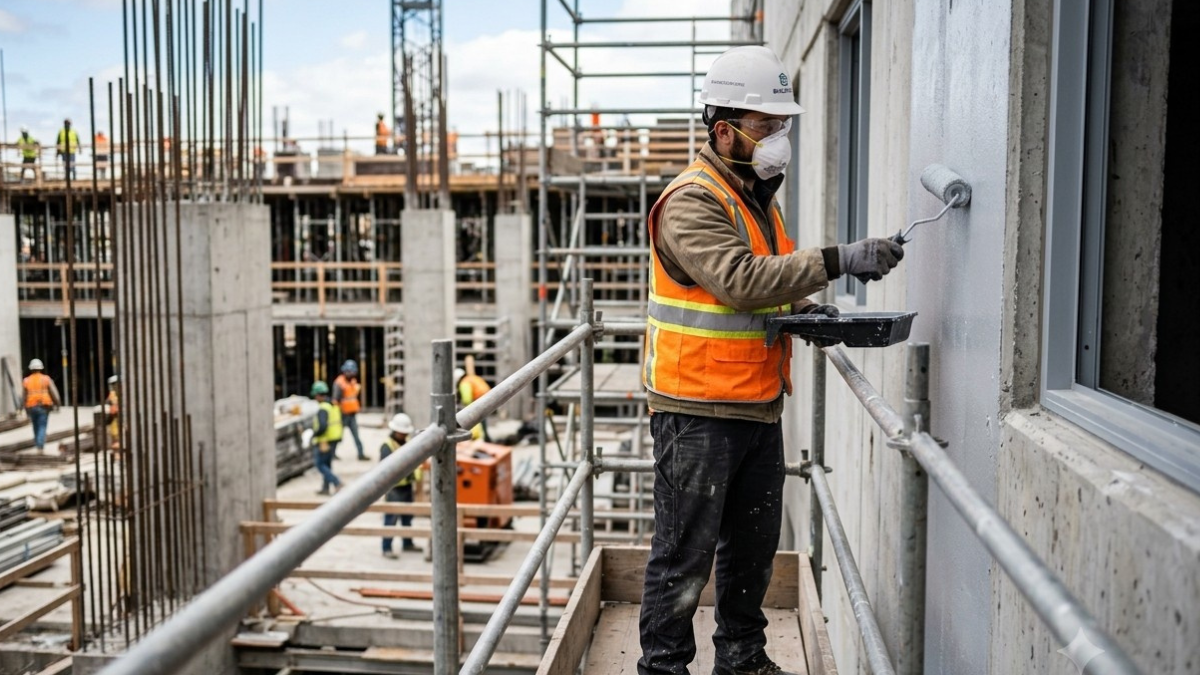
Many painters begin their careers working on residential properties. While domestic work can provide a steady income, commercial projects often offer larger contracts, longer durations and higher daily rates.
Commercial painters may work on:
- Office buildings
- Schools and universities
- Hospitals
- Retail developments
- New-build housing sites
- Industrial facilities
These projects usually involve larger contractors who look for reliable tradespeople who understand site procedures and health and safety requirements.
If your goal is to earn more, expanding into commercial painting could significantly increase your earning potential.
2. Professionalism Is Just as Important as Painting Skills
Many clients assume every professional painter can produce a quality finish.
What often separates higher-paid painters from the rest is professionalism.
This includes:
- Turning up on time
- Communicating clearly with clients
- Meeting deadlines
- Working safely
- Leaving the site clean and tidy
- Maintaining a strong reputation
Contractors are far more likely to rehire painters who make their job easier, even if another painter offers a slightly lower price.
Over time, repeat work and recommendations become one of the biggest drivers of higher income.

3. Being Site-Ready Opens the Door to Better Opportunities
If you want to work on construction sites, being an excellent painter isn’t always enough.
Many contractors expect workers to meet site requirements before they can begin work. This often includes holding the appropriate CSCS card and, where required, passing the CITB Health, Safety and Environment Test.
If you’re planning to move into commercial painting, it’s worth checking whether you need to apply for a CSCS card before applying for site-based roles.
Likewise, if you haven’t yet completed the required health and safety assessment, you may need to book your CITB Health, Safety and Environment Test to support your application.
Being prepared before applying for commercial work can help you avoid delays and make a stronger impression on employers.
4. Specialising Can Increase Your Value
General painting skills are always useful, but specialists often command higher rates because their expertise is harder to replace.
Examples include:
- Industrial coatings
- Spray painting
- Fire protection coatings
- Heritage restoration
- Decorative finishes
- Protective coatings for steel structures
The more specialised your skills become, the less likely you are to compete purely on price.
Clients are often willing to pay more for experience in niche areas where mistakes can be costly.
5. Stop Competing on Price Alone
One of the biggest mistakes painters make is trying to win every job by being the cheapest.
While this may generate work in the short term, it often leads to:
- Lower profits
- Longer working hours
- Difficult clients
- Increased stress
Instead, focus on demonstrating value.
Professional quotations, examples of previous work, customer testimonials and clear communication can justify higher prices without losing quality clients.
Remember, many customers are looking for reliability and quality rather than simply the lowest quote.
6. Invest in Your Career, Not Just Your Tools
Most painters regularly invest in brushes, rollers and spray equipment.
However, investing in yourself can deliver an even greater return.
Improving your qualifications, understanding health and safety requirements and gaining experience on larger projects can all help you access opportunities that aren’t available to every painter.
If you’re unsure which card is suitable for your role, our guide on which CSCS card is right for you explains the different card types and who they’re designed for.
Small career investments today can lead to significantly better opportunities in the future.
7. Build Relationships With Contractors
Many of the highest-paid painters don’t spend every week searching for work.
Instead, they build relationships with:
- Main contractors
- Local construction companies
- Property developers
- Facilities management companies
- Commercial maintenance firms
Reliable painters who consistently deliver quality work often become the first people contractors call when new projects begin.
Long-term relationships reduce the time spent finding work and create a more stable income throughout the year.

Five Practical Steps to Increase Your Earnings
If you’re serious about earning more as a painter, start with these steps:
- Expand beyond domestic work where possible.
- Develop specialist skills that are in demand.
- Make sure you’re prepared for commercial site work, including any required qualifications.
- Build a portfolio of completed projects and client testimonials.
- Focus on delivering professionalism as well as quality workmanship.
None of these changes happen overnight, but together they can significantly improve your earning potential over time.
Final Thoughts
Higher earnings in painting and decorating rarely come down to talent alone.
Painters who consistently earn more often position themselves for better opportunities by working on larger projects, developing specialist skills, maintaining a professional reputation and ensuring they’re ready for commercial site work.
If your goal is to move beyond smaller domestic jobs and access more construction opportunities, taking the right career steps today can make a noticeable difference to your future income.
Frequently Asked Questions
How can I earn more as a painter in the UK?
Increasing your income often involves moving into commercial work, developing specialist skills, building a strong reputation and improving your professional qualifications where appropriate.
Does commercial painting pay more than domestic painting?
In many cases, yes. Commercial projects can offer higher daily rates, longer contracts and more consistent work compared with smaller domestic jobs.
Do commercial painters need a CSCS card?
Many construction sites expect workers to hold the appropriate CSCS card before starting work. Requirements can vary depending on the employer and the type of project.
Do I need to take the CITB Health, Safety and Environment Test?
If you’re applying for certain CSCS cards, you’ll usually need to pass the relevant CITB Health, Safety and Environment Test as part of the application process.
Is experience enough to secure higher-paying painting jobs?
Experience is valuable, but employers also look for professionalism, reliability, specialist skills and the ability to work safely on commercial projects. Combining these qualities often leads to better career opportunities and higher earnings.